On this page (9 sections)
The cot has been the safe constant since your baby came home. Moving to a bed feels like a milestone, and it is, but it is not a race. A child who is still happy and safe in the cot does not need to move just because a parenting app says so.
The transition usually happens somewhere between two and three years old. The more useful question is not "what age?" but "what has changed?" A child who is climbing out of the cot is at risk of falling. A child who is toilet training may need to get to the toilet. A new baby may need the cot. Those are practical reasons to move.
When to make the move#
Raising Children suggests most children move between two and three, but there are advantages to waiting if your child is content. A cot keeps them contained, reduces the chance of falling and gives you a bit more control over bedtime.
Consider moving when your child:
- has started climbing out of the cot, which makes falling more likely
- is toilet training and needs to get to the toilet at night
- is asking for a big bed and seems emotionally ready
- needs the cot for a new sibling
If you are moving to free the cot for a baby, try to do it a few months before the baby arrives or when the baby is a couple of months old. That way the move does not feel like being displaced by the new baby. If your toddler is not ready, a second cot or a borrowed cot may be the calmer option.
Signs of readiness#
There is no perfect checklist, but these signs help:
- your child can get in and out of a bed safely
- they understand a simple bedtime instruction such as "stay in bed"
- they can climb out of the cot, or are close to it
- they are waking at night for the toilet
- they are excited about a big bed rather than frightened by it
If your child is going through a big change such as starting childcare, moving house or a new baby, you may want to wait a few weeks if you can. Sleep often wobbles during transitions, and stacking several at once makes it harder.
Choose the right bed#
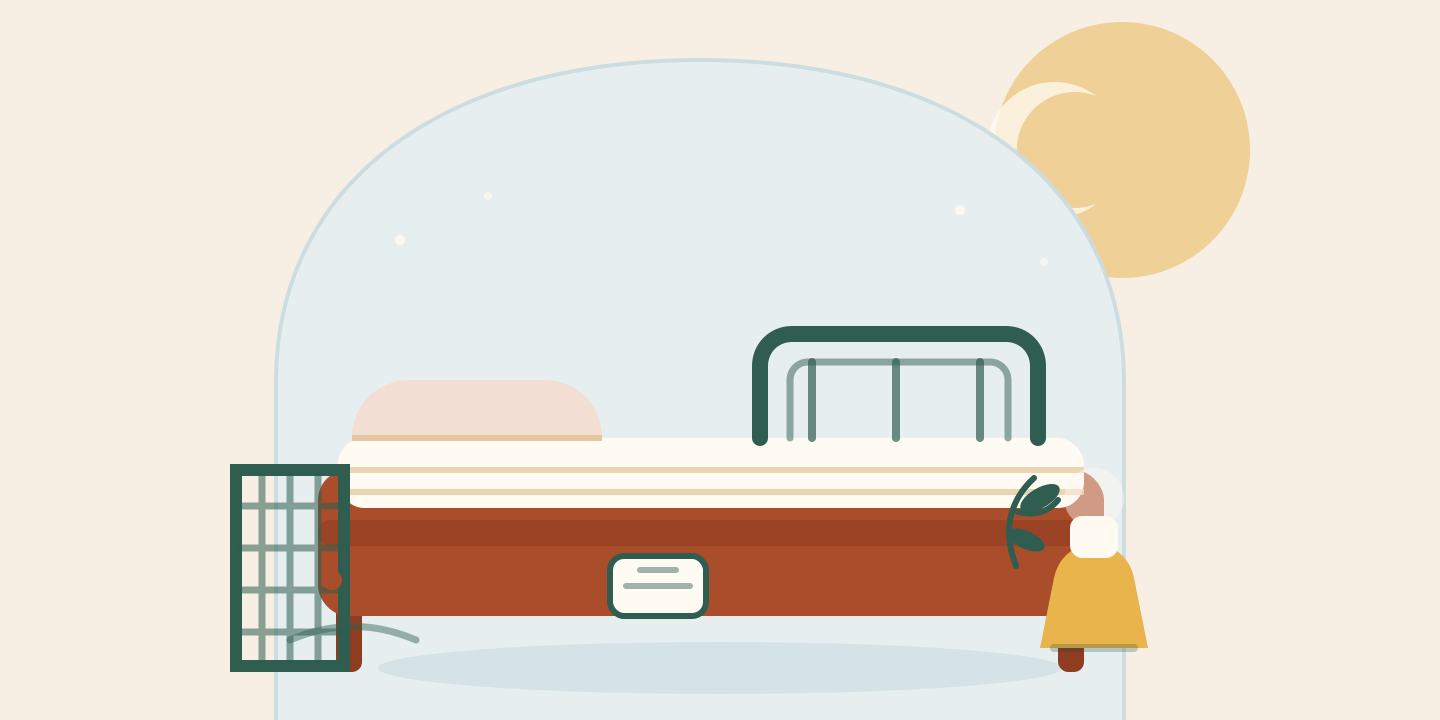
The safest bed is low, firm and free of gaps. There are three common options.
| Bed option | Good for | Watch out for |
|---|---|---|
| Mattress on the floor | First move, low fall risk, low cost | Keep it away from walls; check for moisture and mould |
| Toddler bed | Small children, uses cot mattress, low to the ground | Check gaps between mattress and frame |
| Single bed with rails | Longer term, older toddlers | Higher fall risk; rails must fit tightly |
Use a firm mattress that fits the bed frame with no gaps. Position the bed or mattress away from walls, because a child can become trapped between the mattress and the wall. If there are large gaps in the frame or rails, a mattress on the floor is safer until they are older.
Bed rails can help with a single bed, but they must fit tightly against the mattress with no gap where a child could slip through. Do not use pillows or rolled blankets as makeshift rails.
Bedding and clothing#
Keep the bed simple. For children under two, no pillow. For children over two, a low, firm pillow is fine if they want one. Avoid heavy quilts, doonas and lots of soft toys, especially for a child who moves around a lot in sleep.
If your child wears an infant sleeping bag in the cot, think carefully before using it in a bed. Sleeping bags can make it harder to walk and increase the risk of falls. Pyjamas and a light blanket may be safer once they are in a bed.
Childproof the room#
This is the part that matters most. A cot is a contained space. A bed is not. Once your child can get out of bed, they can explore the room, the hallway and the rest of the house at night.
Work through the room from your child's height:
- Windows: fit safety locks so they cannot open wide enough for a child to climb through.
- Doors: use a safety gate or close the door if you can still hear your child. Make sure the hallway is safe if they get up.
- Cords: wrap blind and curtain cords around a cleat at least 1.6 metres above the floor. Keep mobiles and hanging decorations out of reach.
- Furniture: anchor bookshelves, drawers and heavy furniture to the wall. Remove chairs, ladders and boxes that can be climbed.
- Heaters and electrical items: keep heaters, vaporisers and cords away from the bed. Use powerpoint covers.
- Medicines and poisons: move medicines, cleaning products, essential oils and batteries out of the room and lock them away.
- Small objects: check for coins, buttons, beads, small toy parts and anything else that could be swallowed.
- Blind and curtain hazards: keep cords, ties and long fabric away from the bed.
Do this before the first night, not after the first accident.
The first two weeks#
Children often love the idea of a big bed and then feel unsettled once the lights go out. A gradual approach helps.
- Set the bed up in the room while the cot is still there, if you have space.
- Let your child help choose sheets or a blanket.
- Start with day naps in the bed before night sleeps.
- Keep the bedtime routine the same: bath, pyjamas, teeth, story, lights out.
- Praise them for getting into bed and for staying there.
- If they get out, return them calmly and quietly. Avoid a long negotiation or an exciting game.
Some children get out of bed just because they can. Repeated, boring returns are more effective than a big reaction. If your child is distressed, comfort them briefly and then guide them back.
Night waking and wandering#
Night waking is normal, and a new bed can make it more visible because your child can now come to you. Decide on a plan before you are half asleep.
A safety gate on the bedroom door can keep a child in a safe space while still letting them call out. If you close the door, make sure you can hear them and that the room is safe. Do not lock a child in a room in a way that would prevent them escaping a fire or other emergency.
Keep the path to the toilet safe if your child is toilet training. A night light can help. Put a potty in the room if the toilet is too far or too scary at night.
When to get help#
Talk to your GP or child and family health nurse if:
- your child is falling out of bed repeatedly or getting injured
- they are climbing out of the cot and you are worried about safety
- sleep problems are persistent and affecting the whole family
- your child seems very anxious about the bed or refuses to sleep there
- there are developmental or breathing concerns
If your child has a disability or medical condition that affects sleep or movement, ask your care team for an individual safety plan.
The bottom line#
Move from cot to bed when there is a reason, not just a birthday. Choose a low, firm bed, keep the bedding simple and childproof the room before the first night. Expect a few weeks of adjustment, keep the routine boring and consistent, and return your child to bed calmly. If you are unsure, wait a little longer. A happy toddler in a cot is not behind.
For more on sleep at this age, see our toddler sleep guide and safe sleep guide.
Frequently asked
What age should a child move from a cot to a bed?
Most children move between two and three years old, but there is no rule that says a child must move on their birthday. If your child is happy, safe and not climbing out, there is no hurry. Readiness is about skills and safety, not just age.
Should I use a toddler bed or a single bed?
Both can work. A toddler bed is low to the ground and often uses the cot mattress, which reduces the fall risk. A single bed lasts longer but is higher, so you may need a bed rail. A mattress on the floor is a safe, low-cost option for the first stage.
Can my child use a pillow after moving to a bed?
Not under two years. Pillows are a suffocation risk for young children. If your child is over two and wants a pillow, choose a low, firm one that keeps the head and neck in line with the back, usually about 5–6 cm high. Keep the bed clear of soft toys and heavy bedding.
How do I stop my child getting out of bed at night?
Keep the routine consistent and return them to bed calmly and quietly each time. A safety gate on the bedroom door or a closed door you can hear through can keep them safe while they learn. Make sure the hallway and room are safe in case they do get up, and praise them for staying in bed.
What if my child falls out of bed?
Check them for injury and comfort them. If they are well, put them back to bed. To reduce the risk, use a mattress on the floor, a toddler bed or a properly fitted bed rail. Avoid gaps between the mattress and the rail or wall, and keep the bed away from walls where a child could become trapped.
References
Sources and further reading
We use primary Australian guidance first. These links open in a new tab.
- Moving your child from cot to bed: when, why and howRaising Children Network
- Moving your child from a cot to a bedRed Nose Australia
- 6 safe sleep recommendations for babiesRed Nose Australia
How this guide was made
Drafted with AI assistance and edited against the public sources above. This is general information for Australian families, not personal medical, legal or financial advice. It has not been medically reviewed.
Corrections
Spotted something?
Tell us what looks wrong on this page. Include the sentence and a source if you have one. We check every report and date any change.